
Description
Twin-Wall Polycarbonate
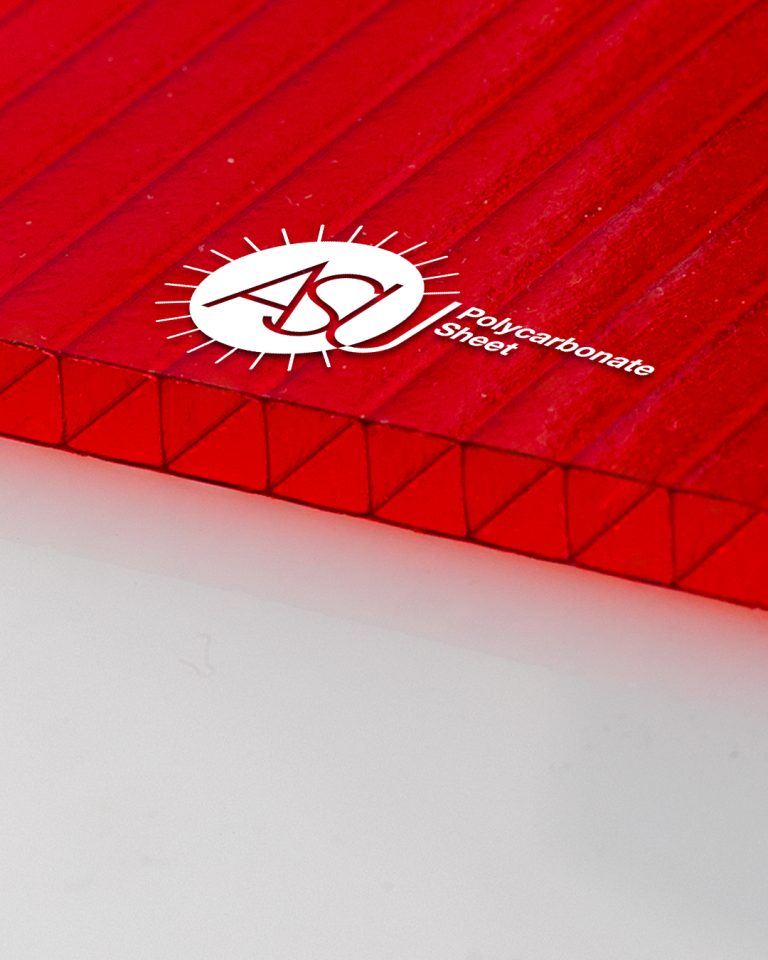
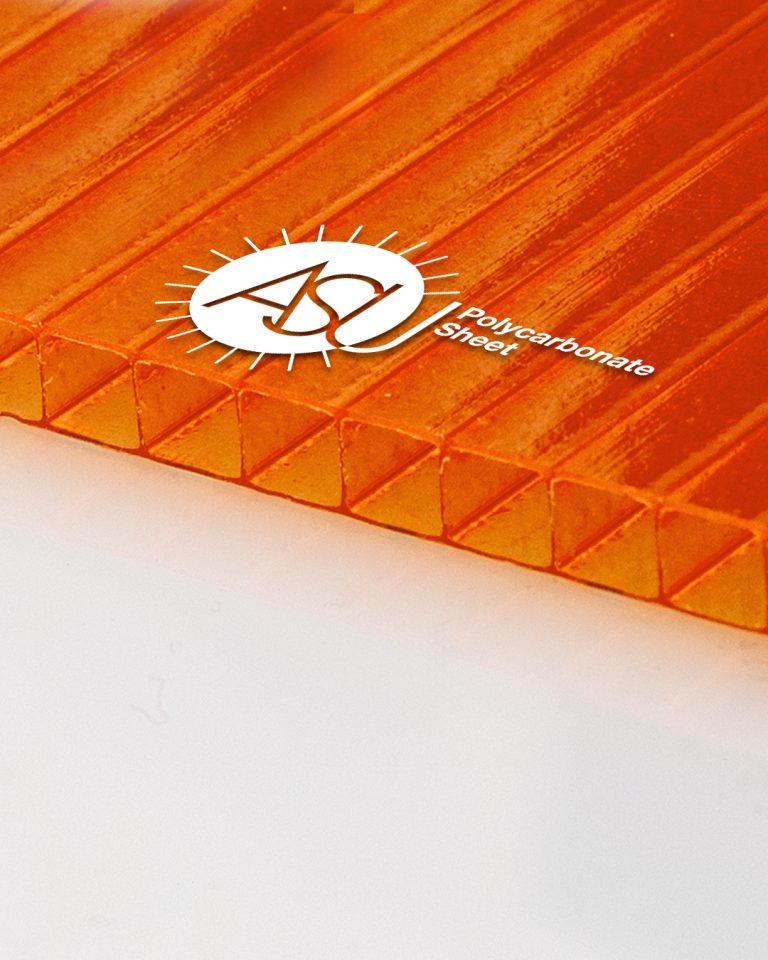
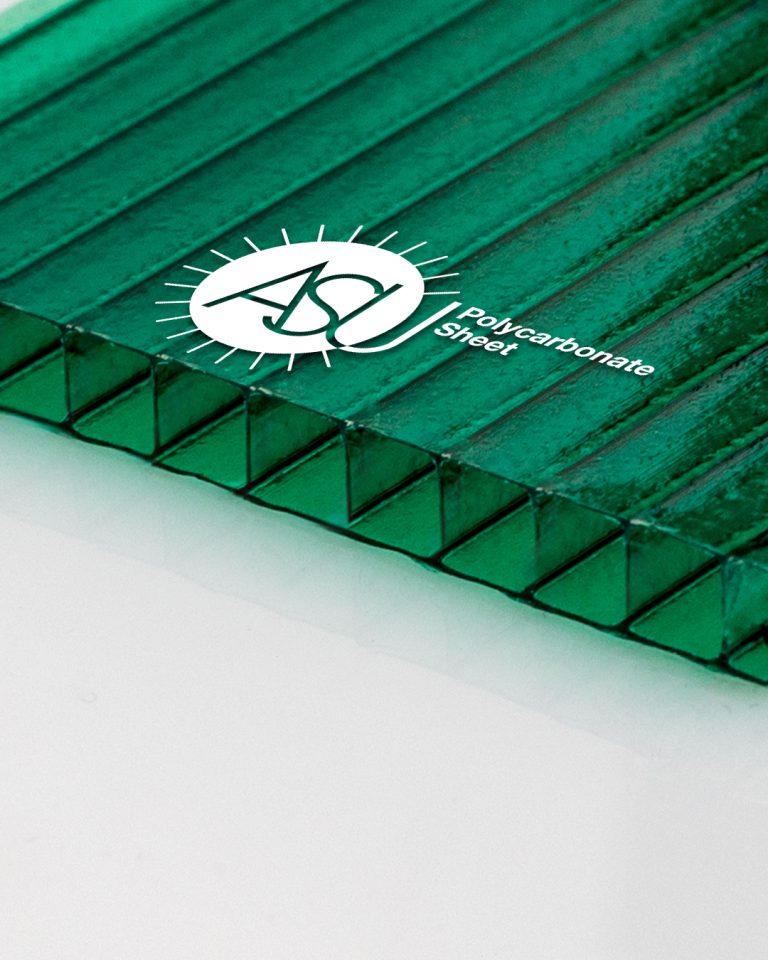
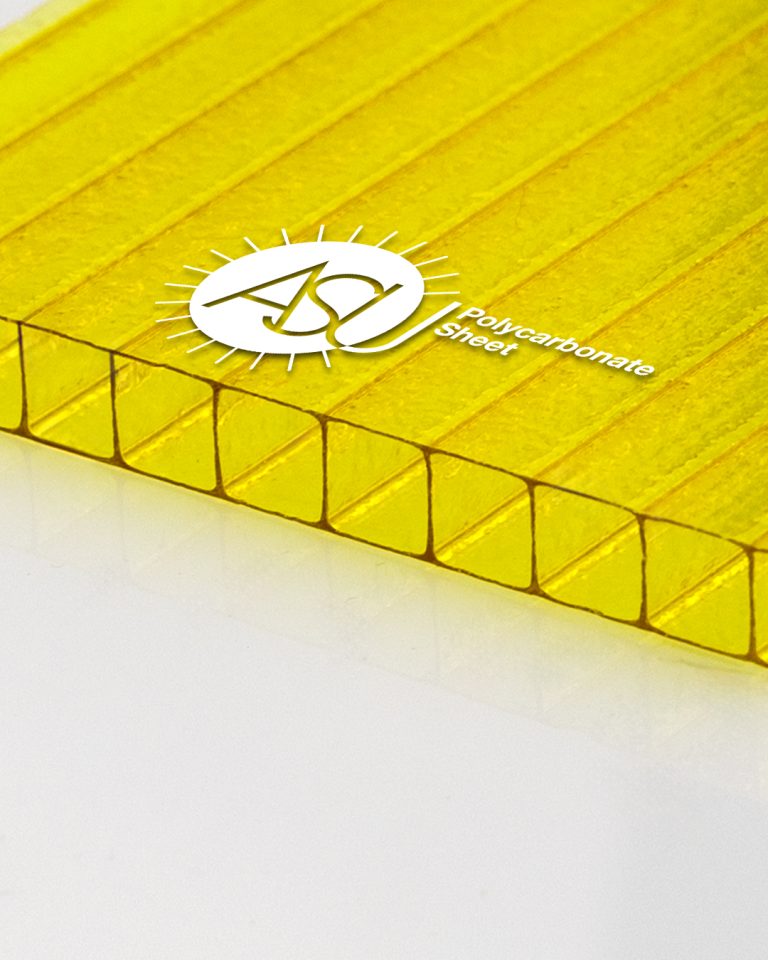
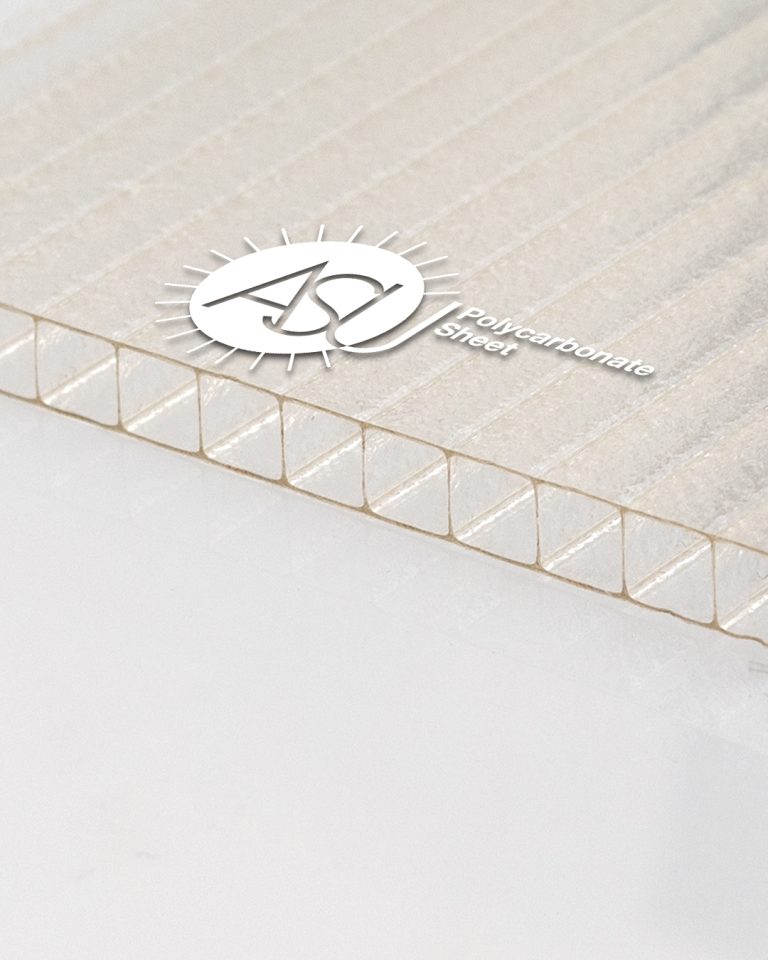
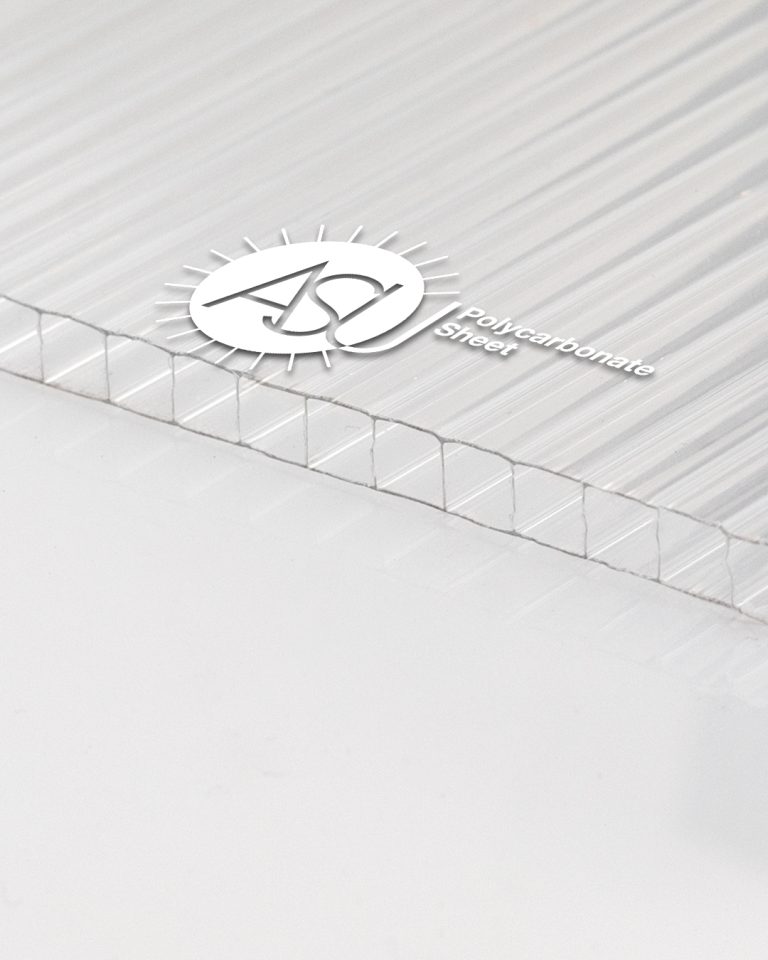
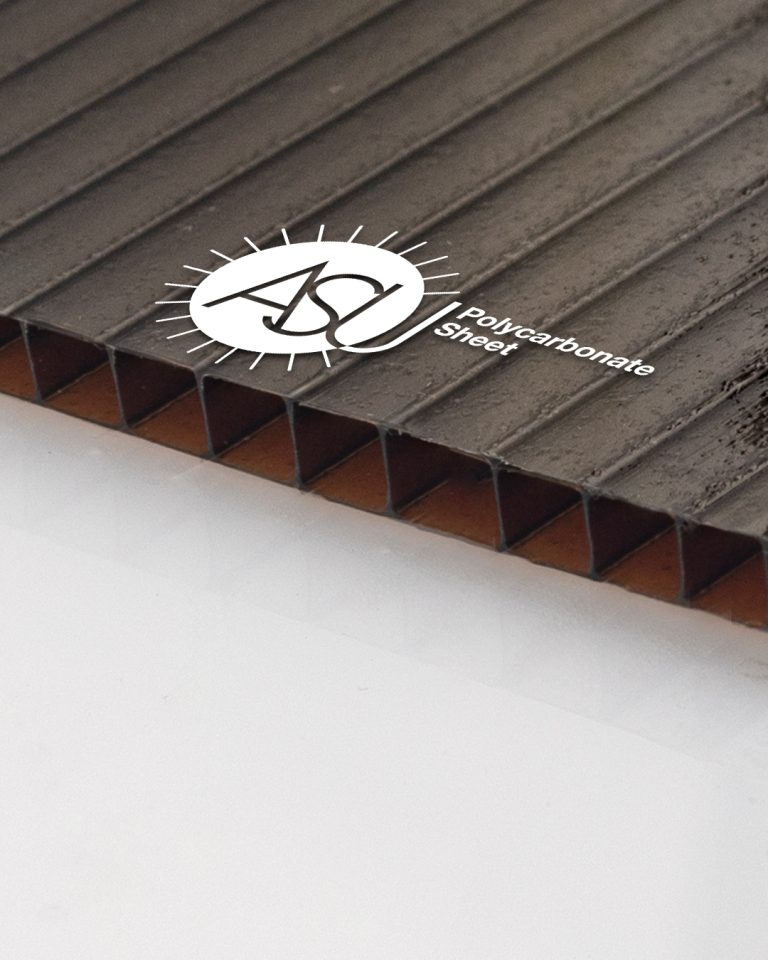
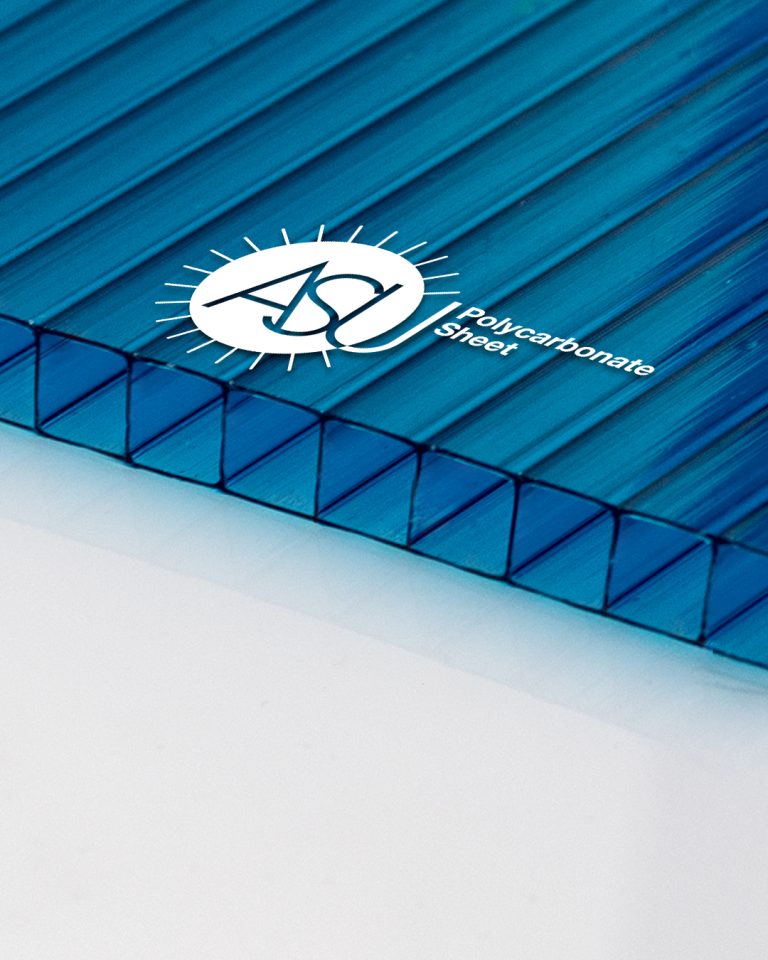
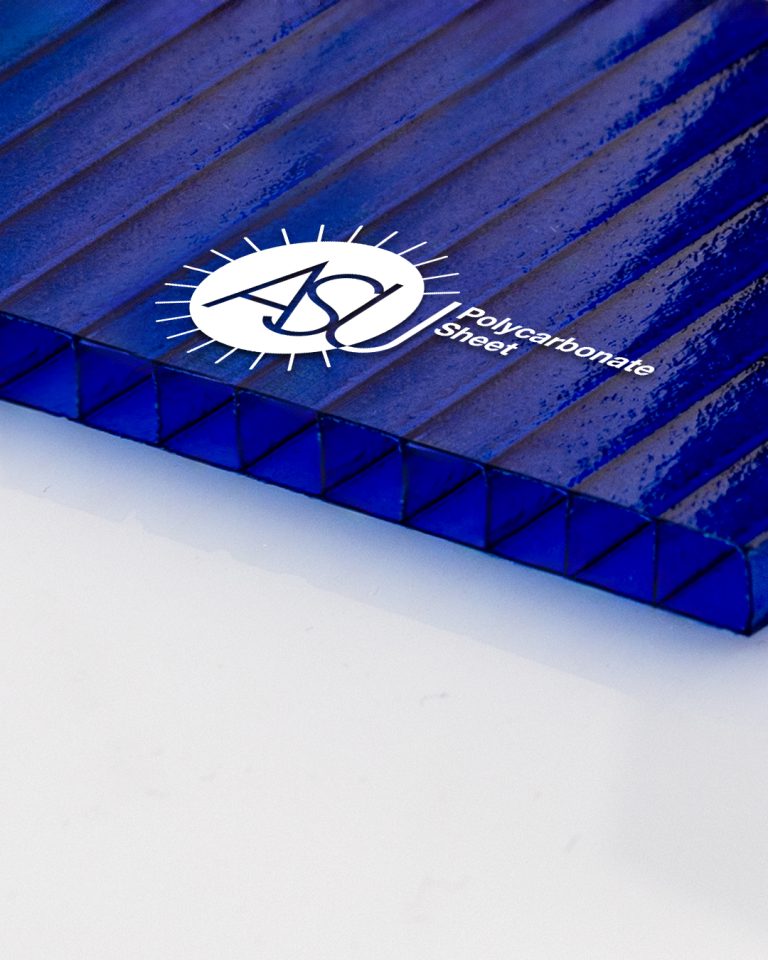
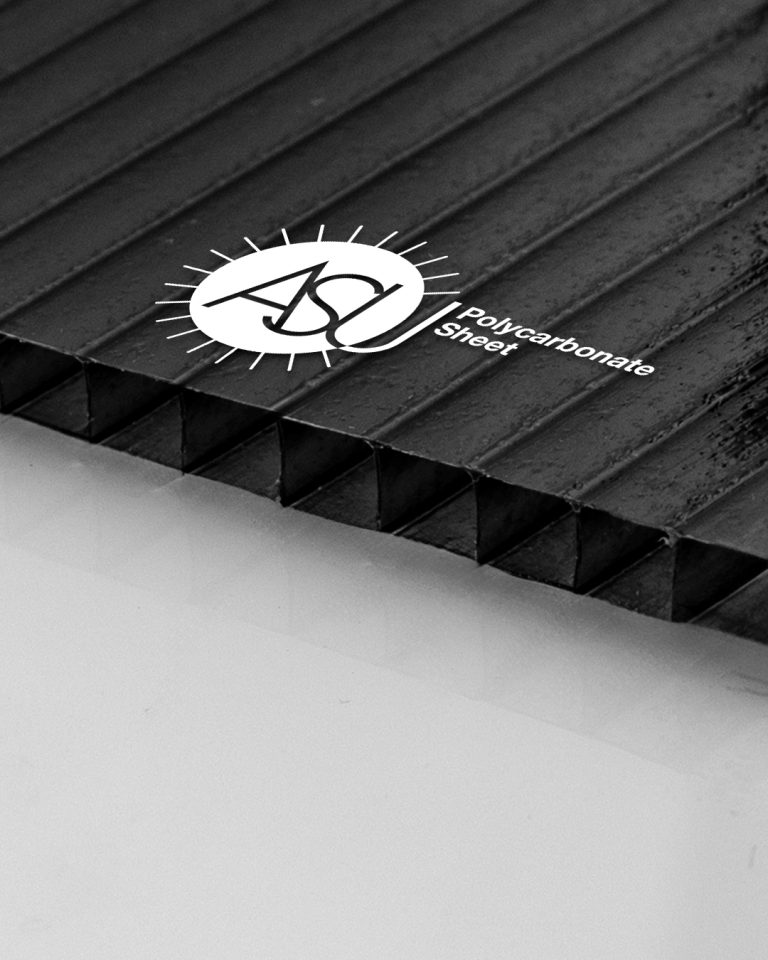
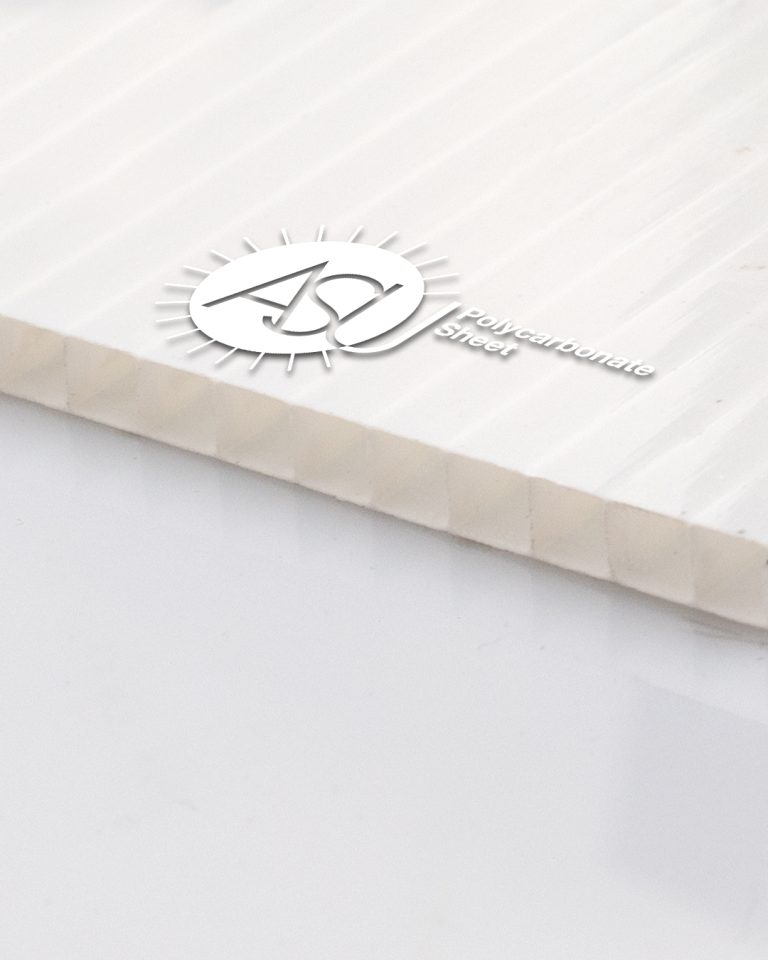
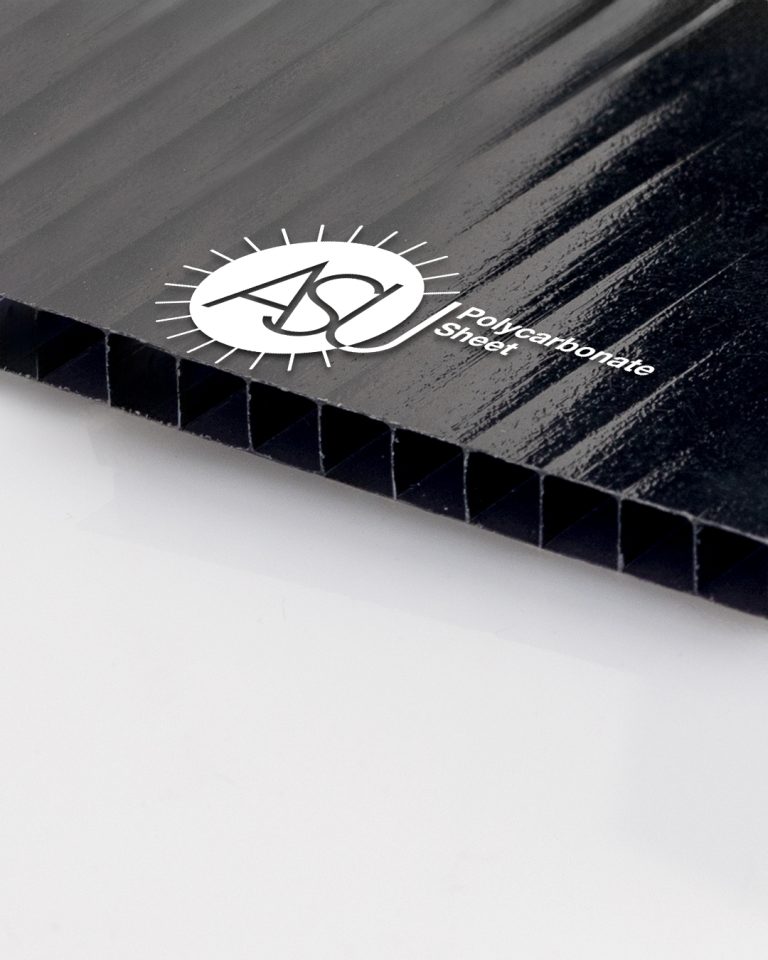
Twin-wall polycarbonate is one of the most widely used types of polycarbonate sheets. Due to its multi-layer structure, lightweight construction, high strength, and good thermal insulation properties, it is used in construction, industrial, and agricultural projects. Twin-wall polycarbonate sheet consists of two polycarbonate layers connected by internal walls. The space created between these layers helps improve the sheet’s thermal insulation.
The combination of low weight, good impact resistance, light transmission, and relatively easy installation has made twin-wall polycarbonate a suitable option for roofing, skylights, and particularly greenhouse coverings.
What Is Twin-Wall Polycarbonate?
Twin-wall polycarbonate sheet is a lightweight polymer sheet with a hollow structure in which the two outer surfaces are connected by internal walls. The internal space between these layers reduces heat transfer compared with a single-layer sheet.
In addition to providing thermal insulation, this structure reduces the overall weight of the sheet. For this reason, twin-wall polycarbonate can be a suitable choice for projects where reducing structural weight and creating a lightweight covering are important.
One of the key features of this product is its ability to transmit light. Therefore, it is widely used in areas where natural light is required.
Features of Twin-Wall Polycarbonate Sheet
Twin-wall polycarbonate offers a range of technical and practical features for different projects. The main features of this product include:
- Lightweight construction
- Good impact resistance
- Good thermal insulation
- Good light transmission
- Easy cutting and installation
- Good resistance to environmental conditions
- Reduced heat transfer due to its twin-wall structure
- Suitable for roofing and skylights
- Suitable for greenhouse applications
- Suitable for construction and industrial projects
These features have made twin-wall polycarbonate sheet widely used in projects that require natural light, low weight, and thermal insulation at the same time.
Twin-Wall Polycarbonate for Greenhouses
One of the most important applications of this product is its use as a greenhouse covering. Twin-wall polycarbonate for greenhouses can play an important role in the design and construction of greenhouse coverings. By allowing light transmission and providing good thermal insulation, it can help create more favorable conditions inside the greenhouse.
The twin-wall structure creates an internal air layer that reduces heat transfer. This feature can be a significant advantage in greenhouses where controlling the internal temperature is important.
In addition, the low weight of greenhouse polycarbonate sheet, compared with some traditional covering materials, can make structural installation and assembly easier.
When selecting a suitable sheet for a greenhouse, factors such as thickness, required light transmission, weather conditions, structural design, and installation method should be considered.
Applications of Twin-Wall Polycarbonate
The applications of twin-wall polycarbonate are not limited to greenhouses. This product is also used in various construction and industrial applications.
Greenhouse Covering
Using twin-wall polycarbonate sheet for greenhouse roofs and walls is one of its most important applications. Light transmission, low weight, and good thermal insulation are among the main reasons for using this sheet in greenhouses.
Building Roofs and Skylights
This sheet can be used for skylights, corridor coverings, patios, parking areas, and semi-open spaces.
Industrial Coverings
In some industrial and workshop projects where a lightweight, light-transmitting covering is required, twin-wall polycarbonate can be a suitable option.
Commercial and Public Spaces
Skylights, building entrances, commercial centers, and public spaces are among other applications of this product.
Twin-Wall Polycarbonate Thickness
Twin-wall polycarbonate thickness is one of the most important factors when selecting the right product. Sheet thickness should be determined based on the application, structural dimensions, support spacing, weather conditions, and required level of resistance.
Each project has different requirements, and no single thickness can be considered suitable for all applications. Therefore, before buying twin-wall polycarbonate, the installation conditions and structural specifications should be evaluated.
Twin-Wall Polycarbonate Dimensions
Twin-wall polycarbonate dimensions are also important when planning and implementing a project. Selecting the appropriate sheet dimensions can reduce cutting and material waste and simplify the installation process.
For greenhouse and construction projects, it is recommended that sheet dimensions be determined based on the structure dimensions, installation direction, and location of the connections.
For large-scale projects, the required dimensions can also be reviewed and coordinated according to the project specifications.
Installation of Twin-Wall Polycarbonate Sheet
Proper installation of twin-wall polycarbonate sheet plays an important role in its durability and performance. Before installation, the substructure, sheet orientation, connection points, and support spacing should be properly determined.
The sheet’s thermal expansion and contraction caused by temperature changes should also be taken into consideration during installation. Using suitable screws, washers, profiles, and connection accessories can help improve the overall quality of the installation.
In greenhouse projects, sheet orientation and proper sealing are particularly important and should be carried out according to the sheet structure and the conditions of the greenhouse.
Twin-Wall Polycarbonate Price
Twin-wall polycarbonate price depends on various factors, and a fixed price cannot be specified for all types of this product. Thickness, dimensions, sheet type, color, order quantity, and raw material market conditions are among the factors that can affect the final price.
Therefore, to obtain the price of twin-wall polycarbonate sheet, the exact product specifications and required quantity should be determined.
For bulk orders, the type of project and order volume may also affect the sales terms.
Buying Twin-Wall Polycarbonate
When buying twin-wall polycarbonate, price comparison alone is not sufficient. Sheet quality, thickness, internal structure, dimensions, light transmission, and compatibility with project conditions should all be considered.
For the right selection, the intended application should first be determined. For example, the requirements of a greenhouse are different from those of a building skylight or an industrial covering.
Selecting the right product at the beginning of a project can help reduce installation costs and improve the long-term durability of the covering.
Twin-Wall Polycarbonate Sales
Twin-wall polycarbonate sales are available for construction, greenhouse, industrial, and commercial projects. Due to differences in project requirements, selecting the appropriate thickness and dimensions is highly important.
Pooshesh Polymer ASU supplies twin-wall polycarbonate sheet for bulk customers, contractors, greenhouse builders, construction professionals, and industrial organizations.
Twin-Wall Polycarbonate Manufacturer
Pooshesh Polymer ASU, as a twin-wall polycarbonate manufacturer, specializes in the production and supply of various polymer sheets and offers its products for a wide range of construction, industrial, and agricultural applications.
Focusing on production quality, product specifications, and meeting the requirements of different projects are among ASU’s key approaches to manufacturing and supplying polycarbonate sheets.
Twin-Wall Polycarbonate Factory
When purchasing directly from a twin-wall polycarbonate factory, it is important to evaluate production capabilities, product quality, technical specifications, and the ability to supply bulk orders.
ASU operates in the field of polymer sheet manufacturing and provides products for large-scale projects. Customers can contact the company’s sales experts to review specifications, supply capacity, and ordering conditions.
Twin-Wall Polycarbonate in Tehran
For customers looking for twin-wall polycarbonate in Tehran, access to a reliable manufacturer and supplier can simplify the process of requesting quotations, placing orders, and sourcing the required product.
Pooshesh Polymer ASU focuses on the Tehran market and bulk orders, providing consultation and technical information about different types of twin-wall polycarbonate sheets for various projects.
Why Choose ASU Twin-Wall Polycarbonate?
Choosing the right manufacturer is an important factor when purchasing polycarbonate sheets. Sheet structure quality, product consistency, technical specifications, and pre- and after-sales services can all affect the final results of a project.
Pooshesh Polymer ASU, as a polymer sheet manufacturer, supplies twin-wall polycarbonate for construction, greenhouse, and industrial applications. The company’s experts are available to provide consultation and help customers select the product best suited to their project requirements.
Frequently Asked Questions About Twin-Wall Polycarbonate
What Applications Is Twin-Wall Polycarbonate Suitable For?
This sheet is used for greenhouse coverings, skylights, parking areas, patios, corridors, commercial spaces, and various industrial and construction projects.
Is Twin-Wall Polycarbonate Suitable for Greenhouses?
Yes. Twin-wall polycarbonate for greenhouses is widely used as a greenhouse covering due to its light transmission, low weight, and good thermal insulation properties.
What Is the Appropriate Thickness for Twin-Wall Polycarbonate?
The appropriate thickness depends on the project type, structural dimensions, support spacing, weather conditions, and required level of resistance. It should be selected according to the specific project requirements.
How Is the Price of Twin-Wall Polycarbonate Determined?
The price depends on factors such as thickness, dimensions, sheet type, color, order quantity, and market conditions. The order specifications must be reviewed to determine the exact pr